DIY Bug/Mosquito Spray
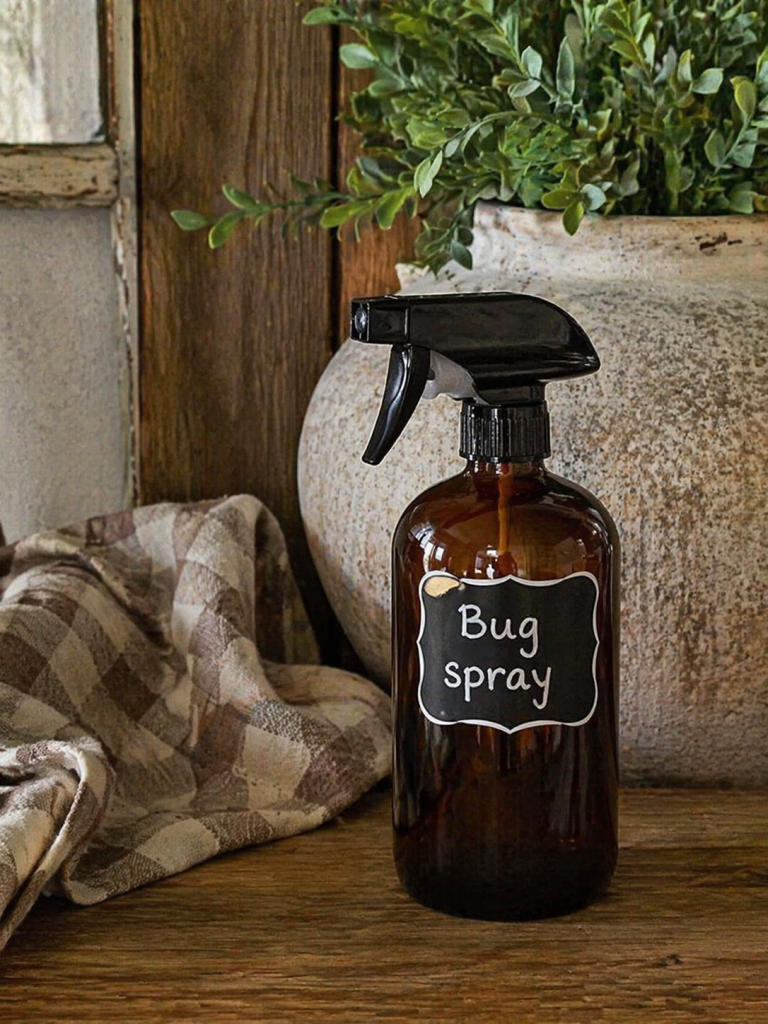
Ingredients
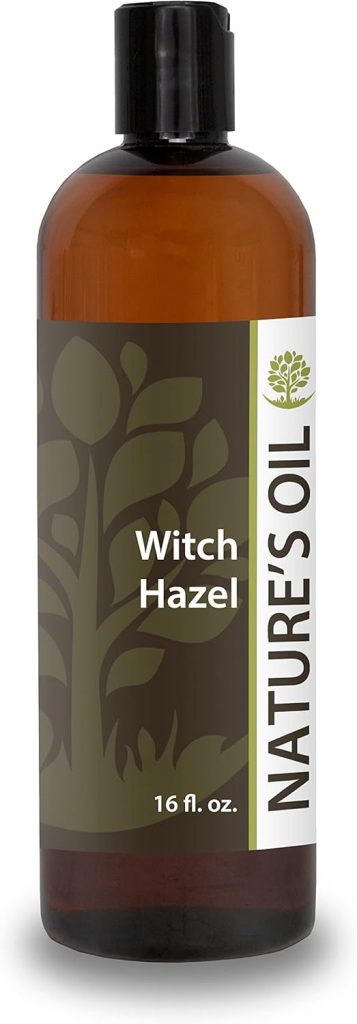
- ½ bottle witch hazel
- ½ bottle distilled water
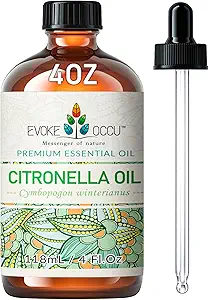
- 10 drops citronella oil
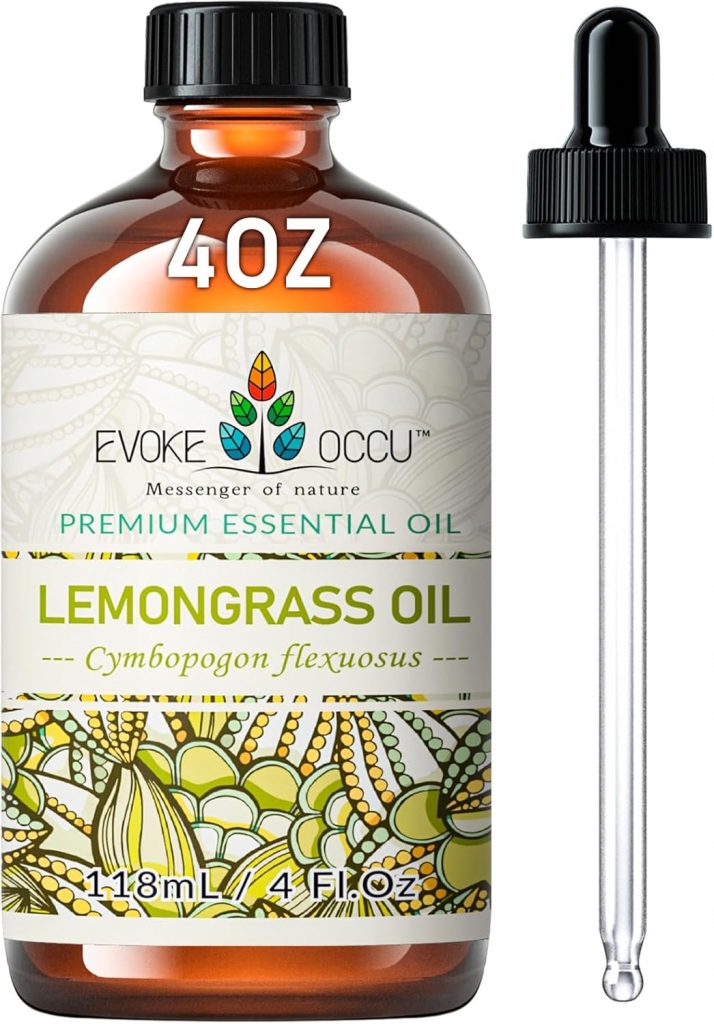
- 10 drops lemongrass oil
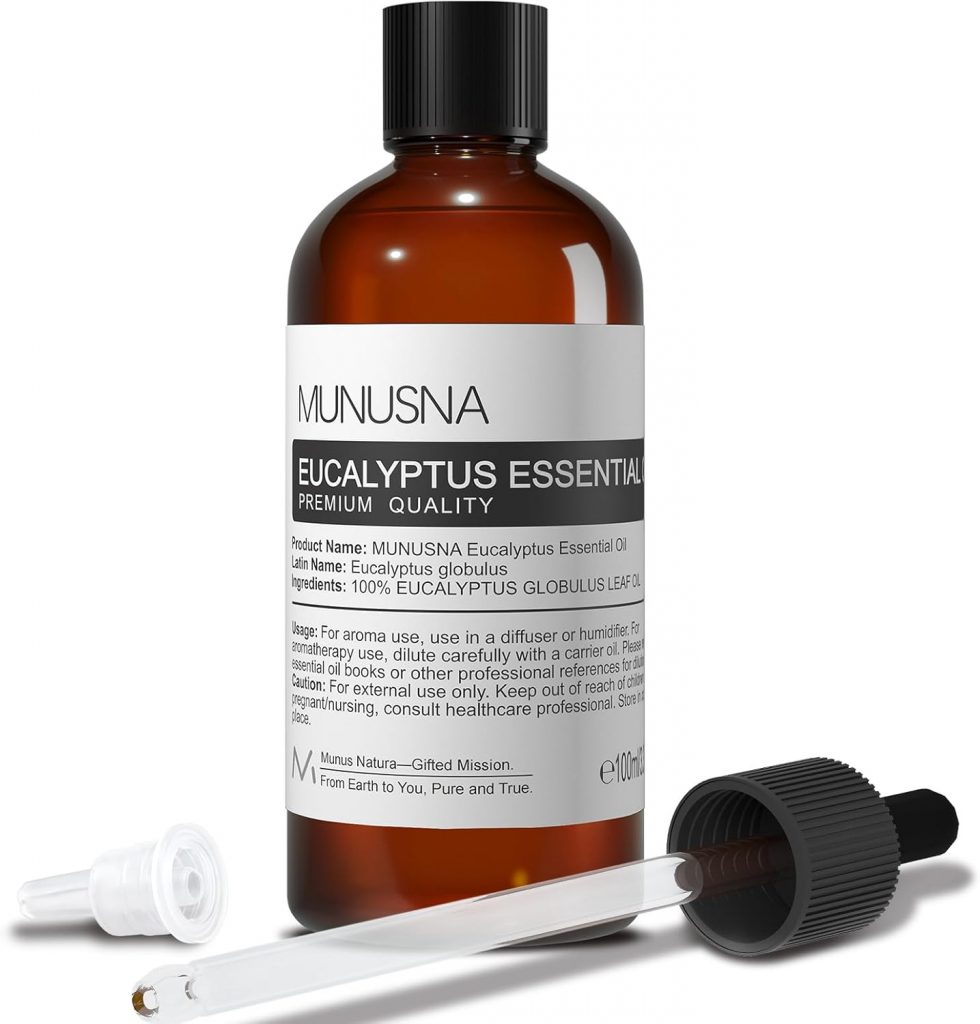
- 8 drops eucalyptus oil
- 6 drops lavender oil
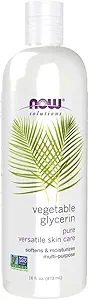
- 1 tsp vegetable glycerin
- Spray Bottle
DIRECTIONS
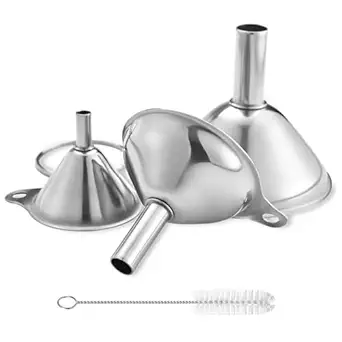
Pour the witch hazel and distilled water into your spray bottle using a funnel.
Add all essential oils: citronella, lemongrass, eucalyptus, and lavender.
Add the vegetable glycerin (this helps the spray stay on your skin longer).
Secure the lid and shake well to combine. Shake before each use, since natural ingredients can separate.
Shop This Post
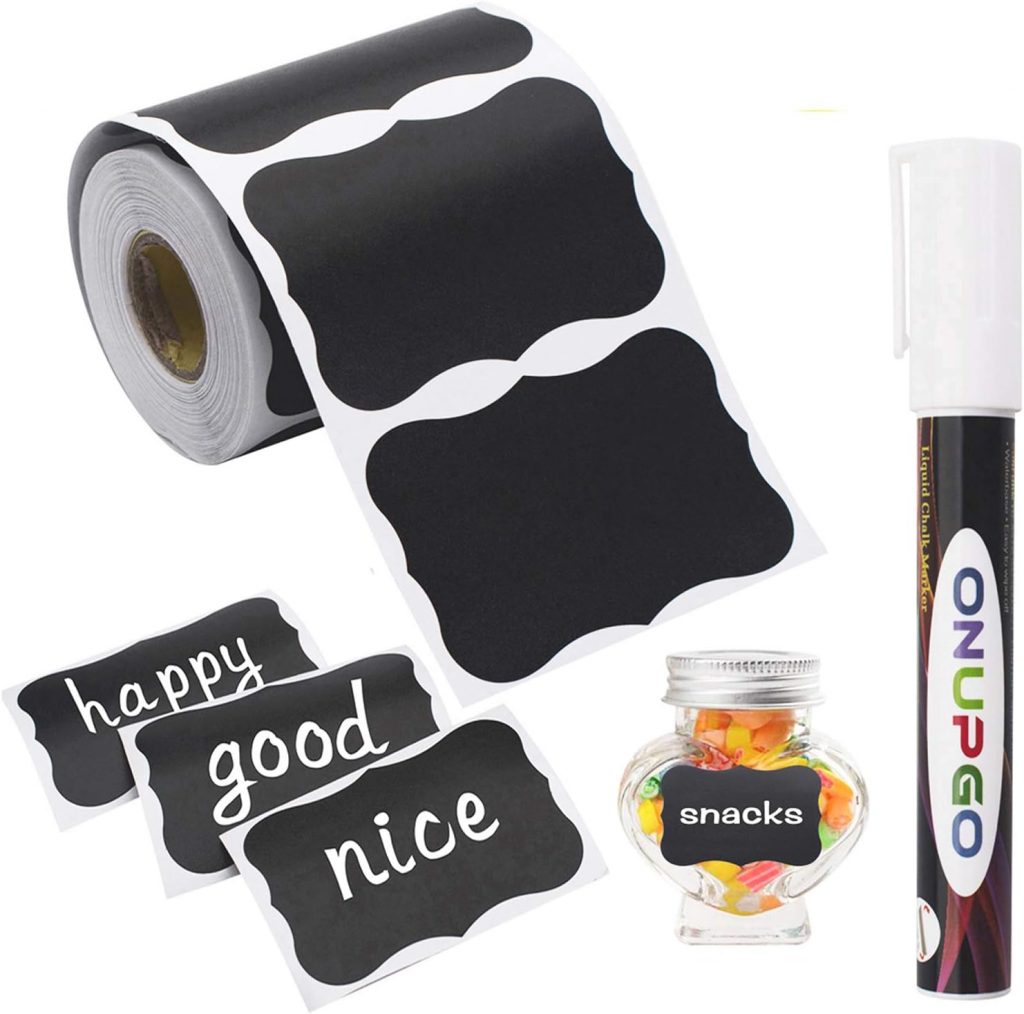
There’s nothing worse than finally getting outside—fresh air, a slow evening, maybe watering the garden—and within minutes, the mosquitoes find you.
If you’re like me, you want something that works… but you don’t want to coat your skin in harsh chemicals every time you step outside.
This herbal citrus bug spray is one of those simple recipes that just fits into everyday life. It’s quick to make, smells fresh and clean, and uses ingredients you can feel good about using around your home, your family, and your space.
Why I Switched to a Natural Spray
Living a more home-centered, slower lifestyle, I started paying more attention to what I was using daily—especially things that go directly on skin.
Traditional bug sprays can work, but they’re often:
- Overpowering in smell
- Full of ingredients I can’t pronounce which if I can’t pronounce it I’m not using it
- Not something I want to use constantly
This blend gives you a lighter, more natural option that still helps keep mosquitoes away—without ruining the whole “fresh air” experience.
How to Use It
Spray lightly on exposed skin—arms, legs, and even lightly over clothing before heading outside.
This is perfect for:
- Evenings on the patio
- Gardening
- Farm chores
- Outdoor dinners
- Summer nights playing in the yard
- Hiking
Since it’s a natural spray, plan to reapply about every 60 to 90 minutes, especially if you’re sweating or outside for longer periods.
A Few Simple Safety Notes
Even natural ingredients deserve a little care.
For young kids, you can reduce the essential oil amounts slightly
Avoid your face! Do a small patch test if you have sensitive skin
Storage Tips
Store your spray in a cool, dry place—away from direct sunlight.
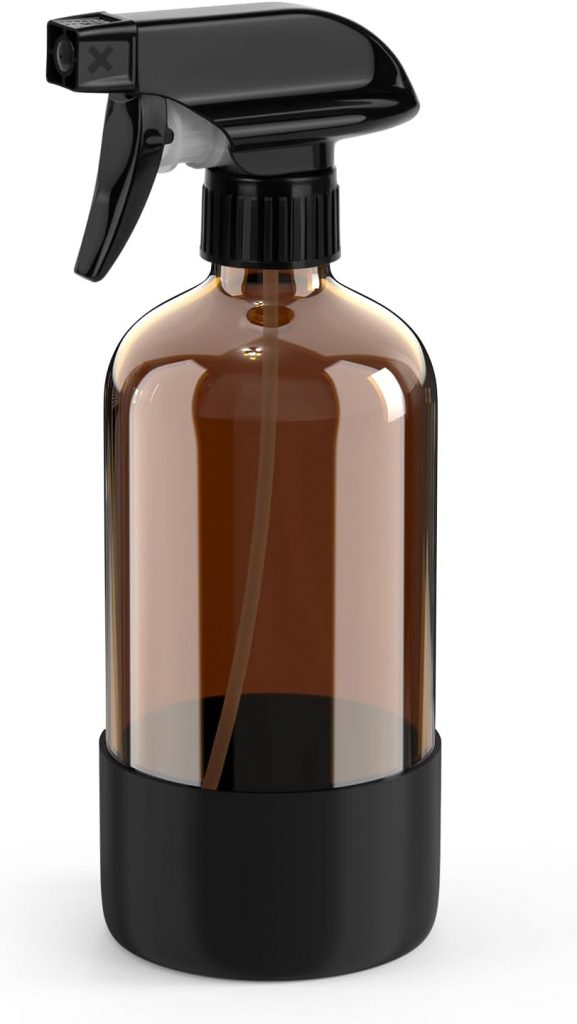
A glass bottle is best because it helps preserve the quality of the essential oils.
For the freshest results, make a new batch every 2–3 months.
Making It Feel Like Home
One of my favorite parts of recipes like this is turning them into something that feels like your own. You can keep it simple… or make it part of your home rhythm.
Try:
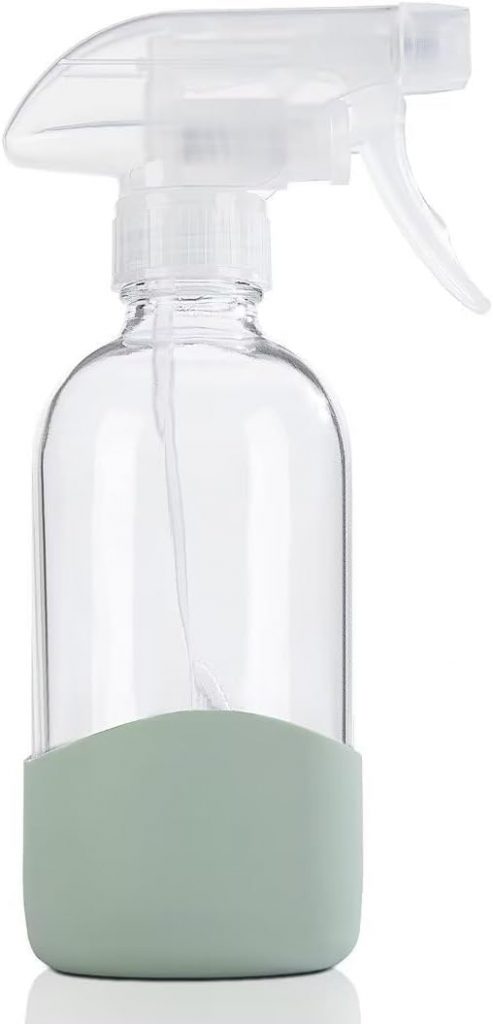
- Adding a sprig of dried lavender inside the bottle if using a clear bottle
- Using an amber glass bottle for that clean, farmhouse look
Something as small as this can turn a basic DIY into something that feels cozy.
Final Thoughts
This is one of those small swaps that just makes sense. It’s simple, natural, and fits into everyday life without overcomplicating anything. When something works and feels good to use… that’s usually when it sticks.
If you end up making it, this is the kind of recipe that’s perfect to keep on hand all season—and even better to share.
-Lindsey